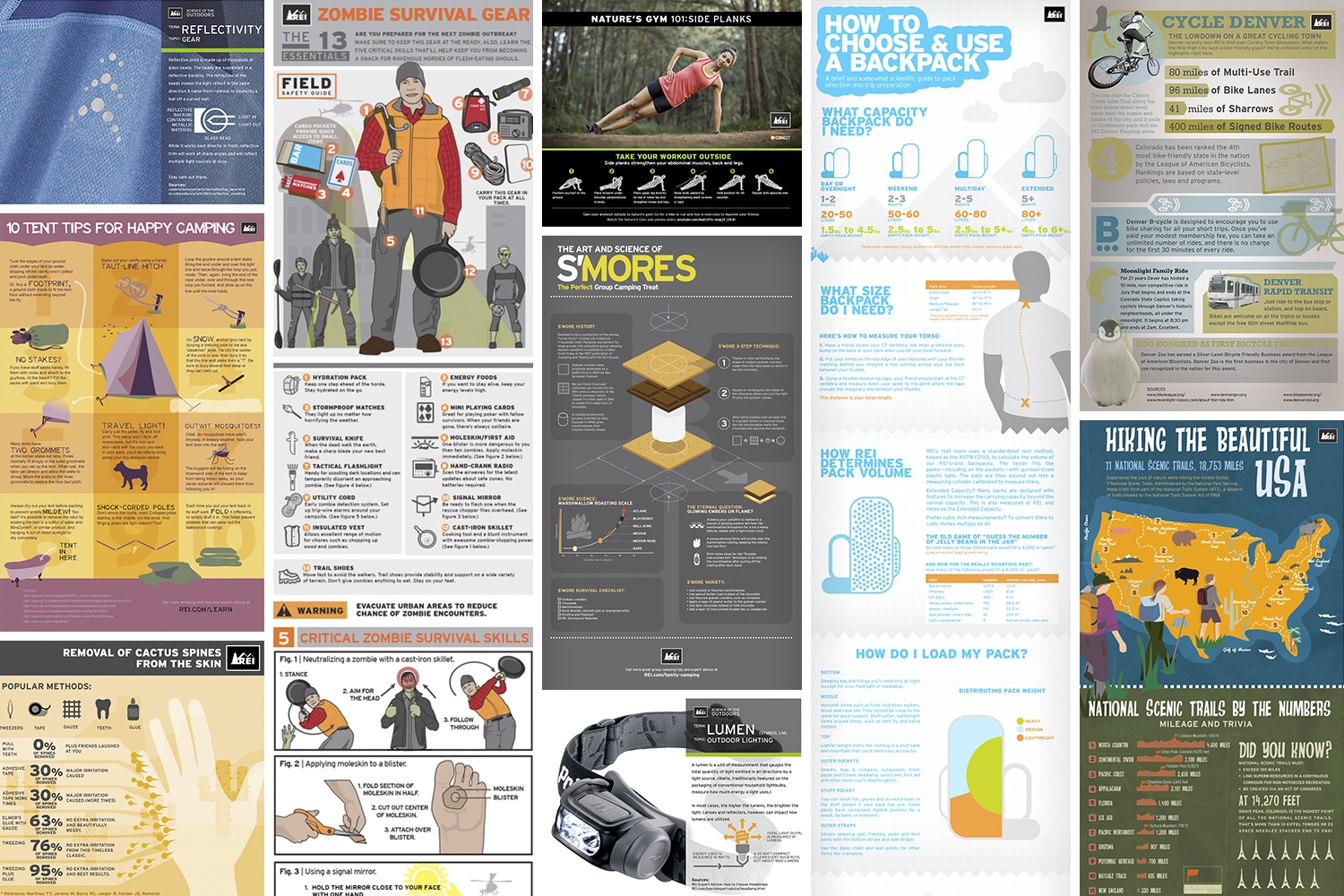
The hold hitch knot is the best one to use for tent/tarp individual lines as it has the ability to hold a great deal of tension and stays safe and secure. It additionally enables you to adjust the line from within your outdoor tents or tarp without having to go out right into the components.
To develop a Grip Hitch, fold the ends of a line back to develop a bight and slide an additional line via this bight from underneath.
Square Knot
Mastering vital knots outfits campers with sensible skills that enhance safety and benefit in the outdoors. Whether you're pitching your camping tent or safeguarding equipment, having the right collection of knots is crucial for camping.
The square knot is a simple, reputable binding knot utilized for signing up with 2 ends of line with each other. It is generally linked making use of the mnemonic "right over left; left over right," yet can additionally be described as a coral reef knot or Hercules knot. This sort of knot is not advised for usage with hefty lots because it can easily slip under stress.
The sheet bend knot is a fantastic alternate to the square knot for signing up with 2 ropes, particularly when you need to integrate lines of different diameters. It's also stronger and more dependable than the clove hitch, making it an optimal option for protecting camping tent person lines.
Sheet Bend Knot
Whether on a watercraft protecting sails or in the wild setting up a camping tent or tarpaulin, the Sheet Bend knot is trustworthy and very easy to develop. This is a superb selection when linking lines that are of differing diameters, especially since it offers more security than a square knot (which can loosen up under pressure).
To connect the Sheet Bend Knot, fold one end of the thicker rope back to produce a bight. Then, slip the end of the thinner line through the bight from underneath and around both arms of the thicker rope, going across the lengthy ends initially. Lastly, tuck the thin end under itself and over the thicker line to end up.
Learning standard knot strategies is crucial for any kind of camper. Mastering functional knots like the bowline, clove drawback, and taut-line drawback will aid you deal with a range of camping tasks with self-confidence. Exercise linking these necessary knots on a regular basis to create muscle mass memory and guarantee that they will hold firmly under anxiety.
Bowline Knot
While the bowline is an outstanding general-purpose knot, it is very important to recognize that knots can outmatch it in details camping tent configuration jobs. By recognizing the staminas and weaknesses of each, you can pick the very best knot to ensure your sanctuary remains secure in also the harshest conditions.
For example, if you require to produce a loop around a risk for backing out a stubborn outdoor tents secure, the square knot might be a far better option than the bowline because it fasts and easy to link and offers a solid hold. It's likewise able to handle a ring tons application, meaning that it will not slip or loosen up under pressure.
Similarly, if you require to adjust the stress on your guy lines regularly, the taut-line hitch could be a more useful knot than the bowline due to the fact that it allows you to tighten up or loosen the line without unknoting it, which can save time and make the procedure much easier.
Taut-Line Drawback
The taut line hitch is just one of one of the most important knots to understand for a variety of outside applications. It is perfect for safeguarding tarps and including weather resistance tension to camping tent guy lines. It is likewise valuable for changing and safeguarding tons that might require constant fine-tuning.
To tie a taut line drawback, first make an intermediate Awning Drawback (ABOK # 1854, p 310). Then, pull the tag end to secure it and develop the last half hitch. To adjust a taut line drawback, move the working end more detailed or further from the protected object by moving it up or down via the resulting loop.
While the tight line hitch is a terrific selection for numerous exterior applications, it is not secure sufficient for critical loads such as climbing up where slippage can be dangerous. For these applications, a Midshipman's Hitch or a Prusik Knot is better suited. For more comprehensive directions, please see the matching video tutorials.